What We Did
Water damage had reached the flooring, the walls, and the bathroom. All three were repaired and refinished, returning the home to sound, dry, livable condition.
Water is the patient enemy of every house. By the time it shows itself in a stained wall or a soft floor, it has usually been working for months, and at 1220 Chatham Park it had reached three of the surfaces a home depends on. The repair had to happen in the right order: find and stop the source, dry the structure, and only then rebuild, because new finishes over damp framing are a countdown, not a repair.
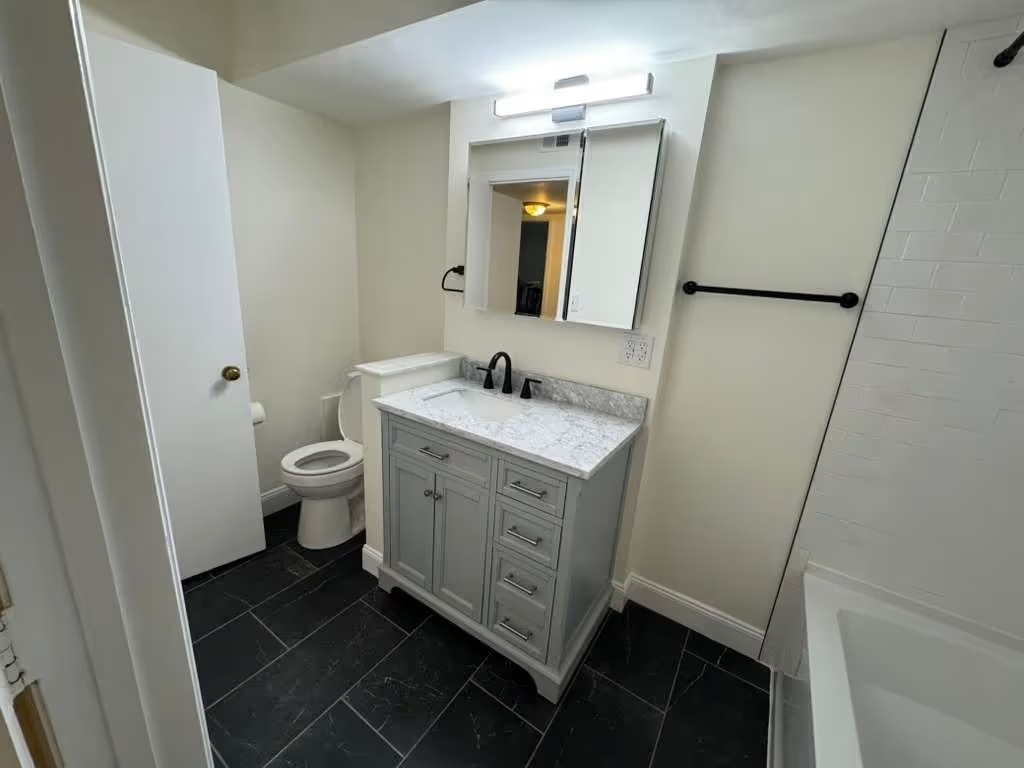
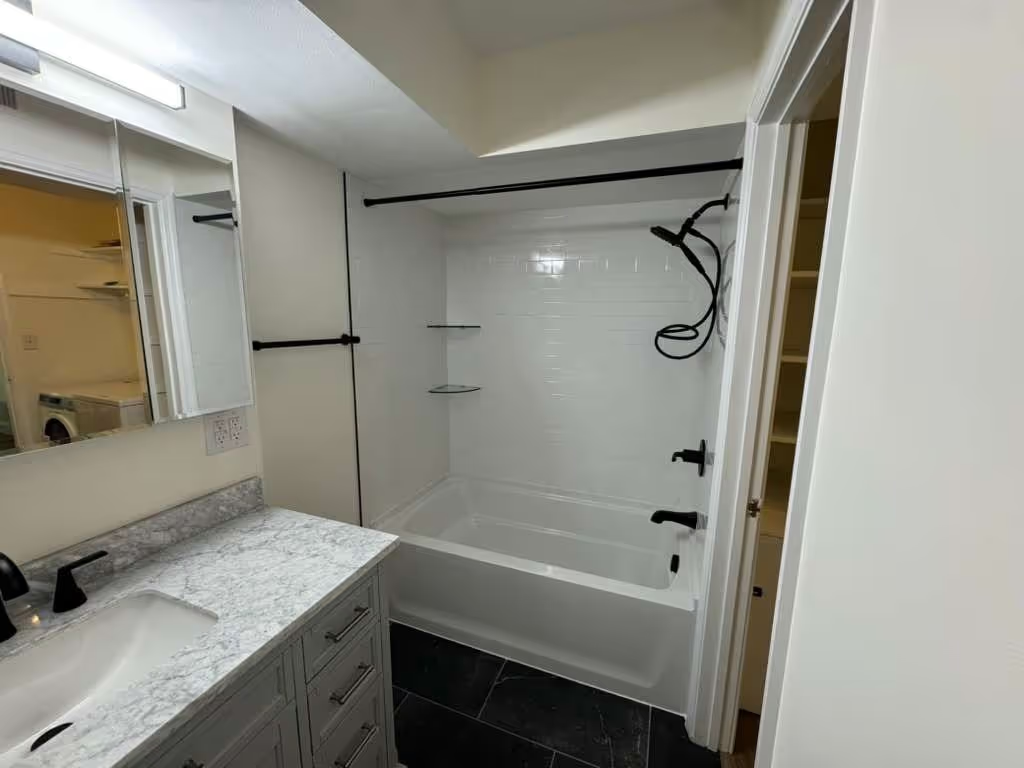
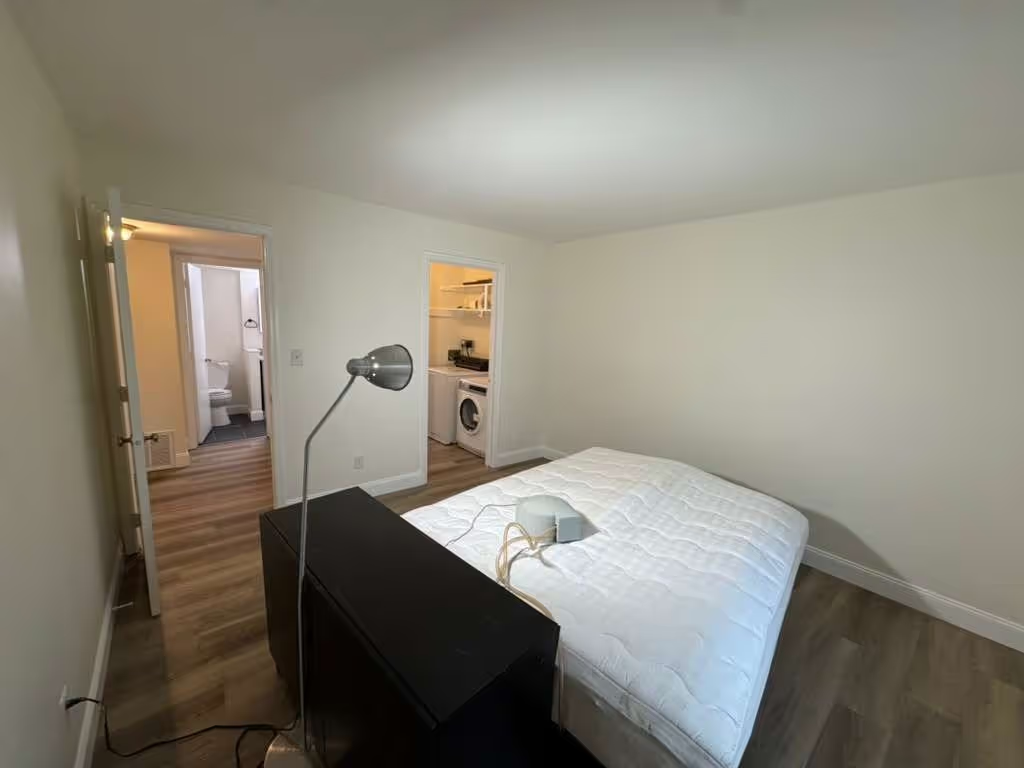
The photographs show the rebuilt result. The bathroom was refinished with sound surfaces and clean tile work, the damaged walls were opened, dried, and closed back to true, and new flooring replaced what the water had ruined. Where moisture has been involved, the work also means checking for what it leaves behind, because mold remediation is part of our standard renovation planning on older houses, alongside lead paint, asbestos, and radon.
A house that has been wet carries a stigma with buyers, and often for good reason, when the repair was cosmetic. The answer is repair that goes to the cause and the substrate, documented in photographs like the ones on this page. That is what returned Chatham Park to what a home should be: dry, sound, and ready to be lived in without a second thought. It is the least dramatic project on this page and one of the most common kinds of work we do, because in a river city with century-old housing, water repair is not the exception. It is the baseline trade.